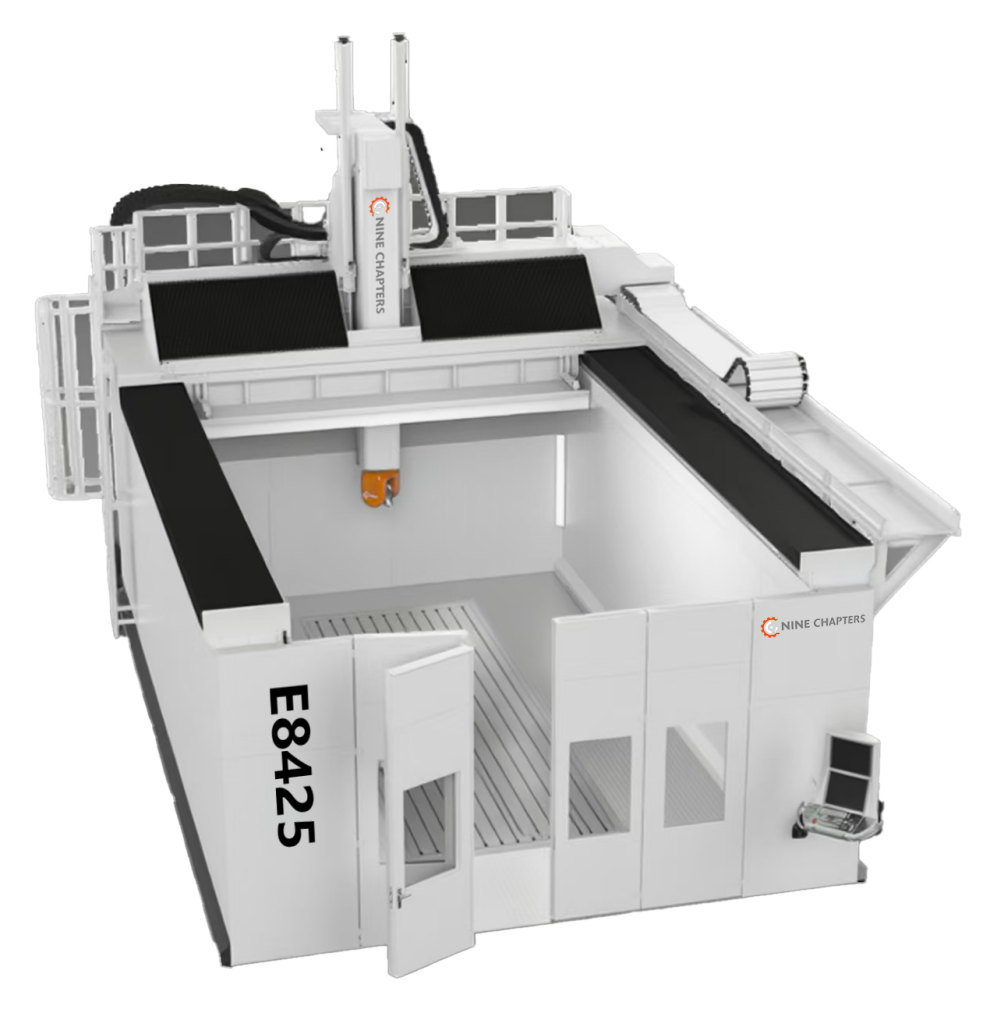
Non-metal tooling is only as accurate as the complete chain from datum and stock allowance to workholding, cutter choice, thermal condition, finishing and inspection. Five-axis access reduces setups on complex surfaces and helps preserve the size chain.
01 / CUSTOMER PROBLEM
Reduce setups on large forms
Large boards, pastes and composite tools can lose accuracy through repeated re-fixturing, unsupported overhangs or a poor datum strategy. A planned five-axis route keeps more of the geometry in one controlled setup.
02 / SELECTION LOGIC
Start with the part brief
Share CAD, material, envelope, required finish, tolerance, stock condition, fixture or vacuum needs and inspection method. The right machine route depends on the part and material, not the axis count alone.
03 / PROCESS CHECKPOINTS
Rough, rest-machine, finish, inspect
Define datums, support and stock, then control roughing, rest machining, finishing, dust extraction, edge protection and inspection. Record the actual toolpath and measurement result for repeat work.
04 / RELEASE CHECK
Commission the material route
Before a large release, run a representative block or feature to confirm vibration, heat drift, chip evacuation, surface quality, cutter life and the hand-off from material supplier to machining team.