01 / CUSTOMER PROBLEM
Transfer finish with fewer repairs
A controlled gelcoat system can carry a fine, polishable surface into the mould while protecting the underlying laminate from handling, release and service exposure.
 TOOLING MATERIALS
Product family
Gelcoats provide a controlled surface and sealing route within a composite tooling build. Selection follows the substrate, cure, temperature and finishing requirement.
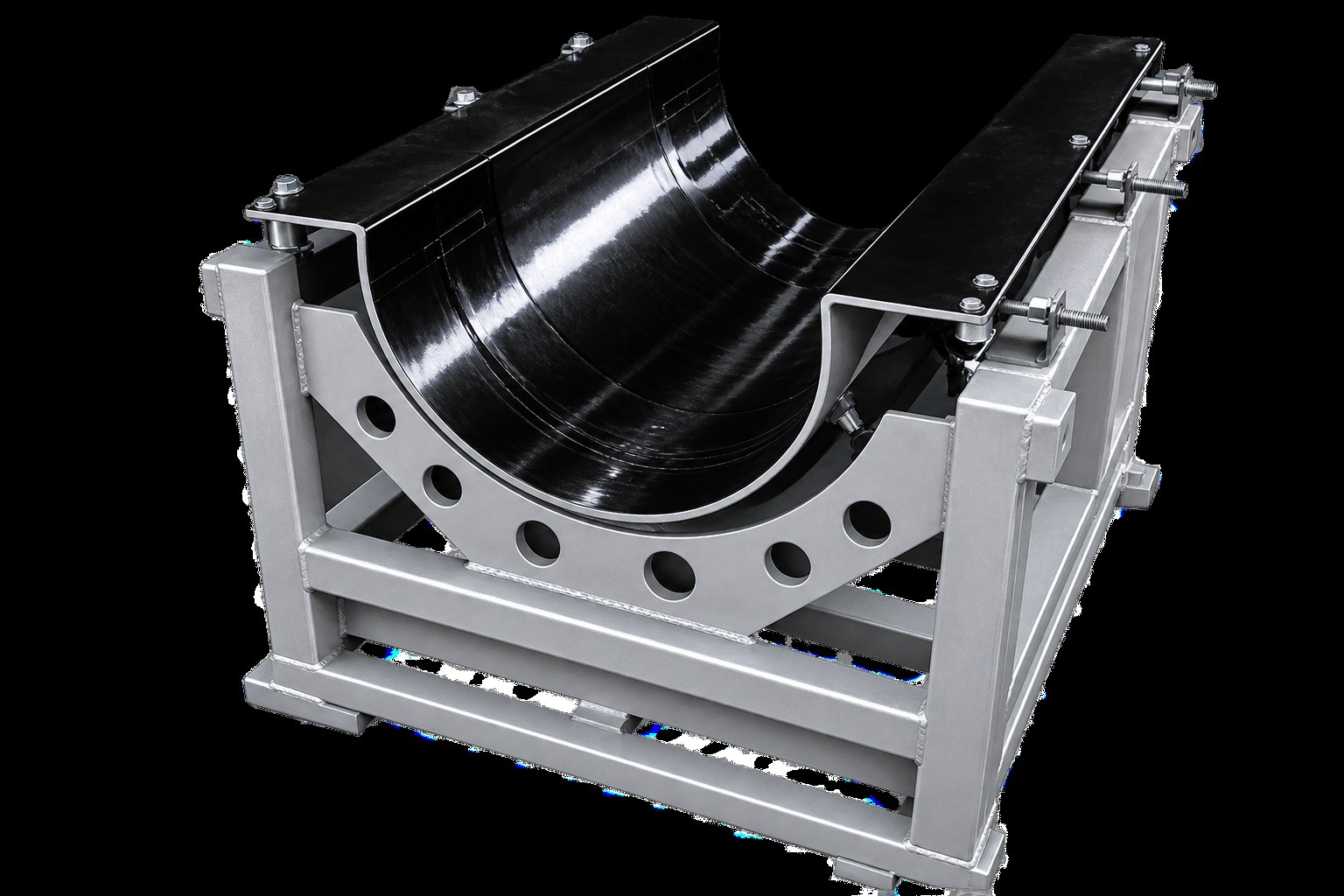
Engineering view / Tooling gelcoats
The gelcoat is the tool’s working surface. It reproduces the master’s finish while taking the first chemical, thermal and abrasion loads, so surface preparation and layer timing matter as much as the material selection.
01 / CUSTOMER PROBLEM
A controlled gelcoat system can carry a fine, polishable surface into the mould while protecting the underlying laminate from handling, release and service exposure.
02 / SELECTION LOGIC
Check polishability, surface transfer, chemical resistance, heat exposure, abrasion and compatibility with the laminate or infusion resin. GC135 should be read with its own TDS rather than compared by colour or label.
03 / PROCESS CHECKPOINTS
Prepare and seal the substrate, apply the gelcoat evenly, respect the tacky window, then add the coupling or backing laminate. Record film build, cure, sanding and post-cure conditions.
04 / RELEASE CHECK
Release agent, gelcoat, coupling layer, laminate and repair material form one surface strategy. A small panel can expose pinholes, poor adhesion, print-through or sanding risk before a full mould is committed.
01 / PRODUCT FAMILY
The catalogue includes GC080 and GC135 tooling gelcoats; spray, cure, surface and temperature requirements are defined for each grade.
Open GC135 technical data ↗