
Application / Ceramics

Ceramic Masters and Case Moulds

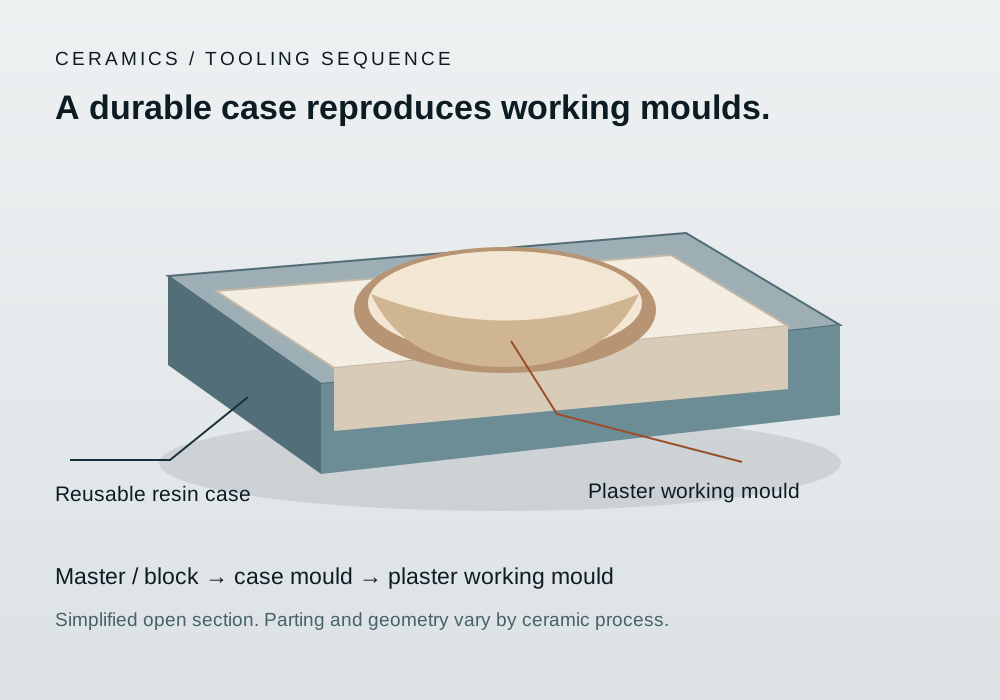
Ceramic tooling is a sequence: a master or block establishes the shape, a durable case mould reproduces working moulds, and the working mould shapes the ceramic body. Material selection depends on which of these jobs the tool performs.

Original sectional process illustration distinguishing a reusable resin case from a plaster working mould
EPTEK / APPLICATIONThe resin case reproduces the plaster working mould

Engineering requirements

Three tools, three different jobs

01 / MASTER / BLOCK

Create and adjust the reference geometry

The master defines the ceramic form and the tooling split. It must be easy to machine, correct and finish while holding the specified geometry. Account for the ceramic process shrinkage in the approved design.

02 / CASE / MOTHER MOULD

Make replacement working moulds

A rigid resin shell supports the shape; selected flexible facing or split sections allow the plaster mould to be released. Design parting, keys, joints and support so repeated plaster casts reproduce the same geometry.

03 / WORKING MOULD

Shape the ceramic body

In conventional slip casting, the plaster working mould draws water from the slip and builds the ceramic wall. It is a consumable production tool made using the case mould.

Engineering requirements

Build a matched EPTEK tooling system

Tooling functionEPTEK material optionCustomer concern
Machined or cast masterPUBOARD model boards or selected PU casting systemsMachinability, dimensional stability, correction, finishing and release
Flexible case facingSelected polyurethane elastomer systemTear resistance, controlled flexibility and compatibility with wet plaster
Rigid case shell and backingEPLAM / EPMOLD laminating systems or selected filled casting systemStiffness, manageable weight, cure and continuity of the supporting shell
Working surfaceCompatible tooling gelcoat, where the case design uses a rigid facingDetail reproduction, release, cleaning and adhesion to the backing

Select the exact resin and hardener together with the facing, plaster, release system and cure schedule. Confirm performance with repeated mould-making trials before using the system in production.

Process distinction

Pressure slip casting is a separate material requirement

A pressure-casting working mould needs a controlled porous structure for water removal, air distribution and repeated cleaning. A dense polyurethane or epoxy tooling resin cannot replace that porous working material simply because it can reproduce the shape.

Engineering requirements

Define the project before choosing a grade

InputWhy it matters
Ceramic process and objectTableware, sanitaryware and other ceramic parts differ in size, geometry, forming process and handling.
Required tool in the sequenceIdentify whether the material will make a master, a case mould or a working mould.
Split and release designEvaluate undercuts, flexible faces, removable sections, keys and damage during demoulding.
Plaster and production dutyConfirm plaster formulation, water contact, cure time and the planned number of replacement moulds.