
Application / LNG containment

LNG Epoxy Mastic Applications

Epoxy mastic beds and levels insulation elements against the supporting ship structure and distributes compressive loads. Application thickness, adhesion, cure and long-term compressive creep are central to LNG containment-system installation.

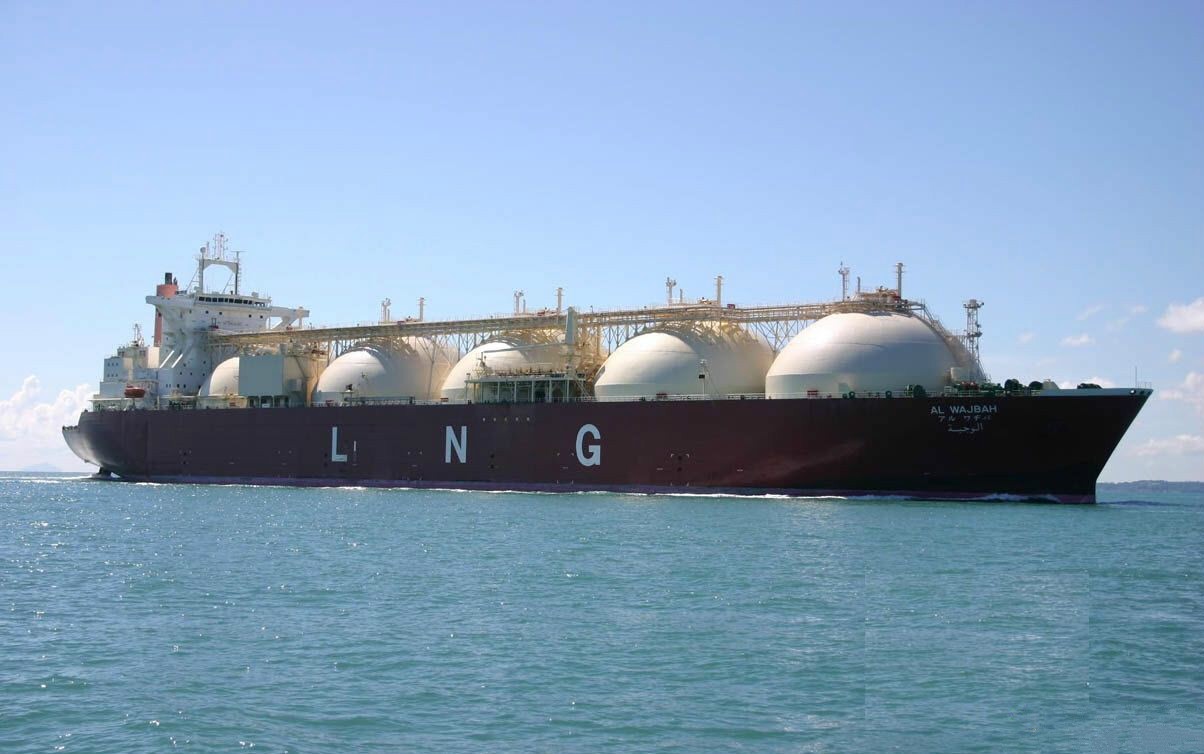
LNG carrier shown in EPTEK LNG epoxy mastic development presentation
EPTEK / APPLICATIONMaterials for LNG containment systems

Engineering requirements

Two systems, two documented product choices

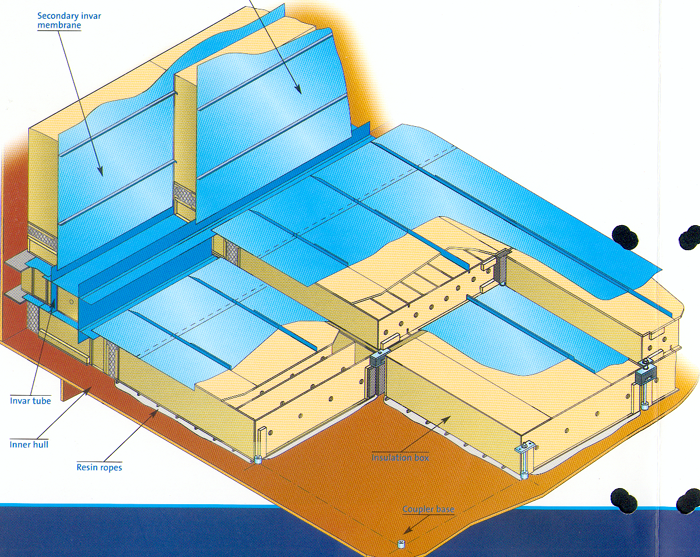
NO96 insulation-box arrangement from supplied LNG presentation

01 / NO96

EPBOND 510

A low-density thixotropic epoxy mastic described in the EPTEK TDS for fixing insulation boxes and distributing loads in NO96-type construction. Its application and qualification must follow the specified containment-system requirements.
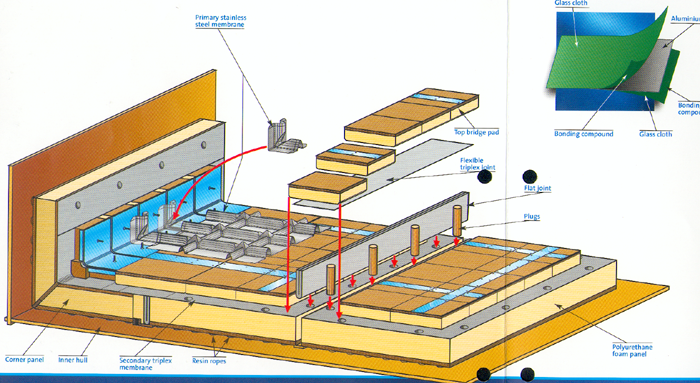
Mark III containment layers and mastic-support arrangement from supplied LNG presentation

02 / MARK III

EPBOND 515

A low-density thixotropic epoxy mastic described in the EPTEK TDS for Mark III construction. Select it with the required support geometry, workability, adhesion and compressive-creep performance.

Engineering requirements

Check the installation conditions

Control pointEngineering reason
Surface and support geometryThe prepared substrate and mastic profile establish adhesion, levelling and load transfer.
Metering and mixingUse the ratio for the specific grade. EPBOND 510 and EPBOND 515 have different mass ratios; do not interchange settings.
Temperature and open timeMaterial temperature changes pumpability and working time. Verify the installation window before placing the insulation element.
Pump pressure and cureProtect the hollow microspheres during pumping and follow the grade-specific pressure limit and cure schedule in the TDS.
Project qualificationUse the applicable shipyard and containment-system acceptance requirements. A product application description does not constitute a system approval.