
Composite tooling
Low-Temperature Initial Cure for High-Temperature Tooling
A low initial cure and a high final glass-transition temperature solve different process problems. LTP220 is described as a carbon-fibre tooling prepreg that can be pre-cured around 60 °C to stabilise a layup, then post-cured in stages to reach a reported Tg of about 220–230 °C. The route only works when the cure schedule, laminate architecture, and finished tool are qualified together.
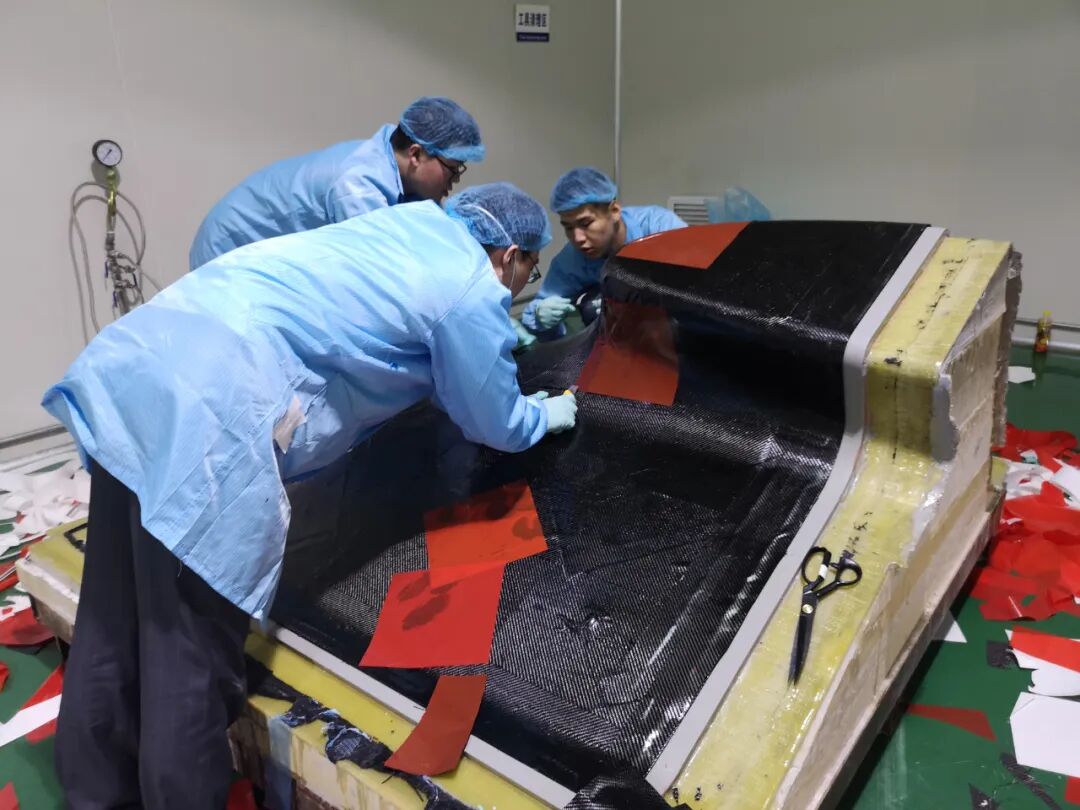
Separate the two cure questions
The initial cure answers a handling question: can the laminate retain its geometry and be moved, trimmed, or prepared for the next operation without damaging the layup or the master? The final post-cure answers a qualification question: does the completed laminate have the thermal and dimensional behaviour required for the intended composite process? They are related steps, but they are not interchangeable. A 60 °C initial cure does not mean the tool has a 60 °C service limit, and a reported Tg of 220–230 °C does not automatically equal a permitted tool operating temperature.
LTP220 process concept
LTP220 is a carbon-fibre tooling prepreg developed for aerospace composite moulds. Its low-temperature pre-cure, around 60 °C, can set the laminate while reducing the risk of damaging a lower-temperature master. After demoulding or subsequent operations, staged post-cure develops the higher final Tg reported for the system. Exact ramp rates, dwell times, vacuum conditions, and allowable thicknesses must come from the current supplier work instruction and the project process specification; they should not be inferred from the headline temperatures.
- Define the requirement: Record the part cure temperature, pressure or vacuum method, geometry, tolerances, expected thermal excursions, and inspection criteria. Decide which surfaces are working surfaces and which are structural support.
- Prepare the master and layup: Confirm the master is dimensionally stable, clean, and released for the prepreg process. Plan fibre orientation, joints, local reinforcements, vacuum paths, and edge details so the laminate can consolidate without locking in wrinkles or bridging.
- Initial cure and stabilisation: Apply the specified low-temperature cycle near 60 °C to hold the shape. Log actual part temperatures rather than relying only on oven set point, especially around thick edges, inserts, and corners. Do not machine or demould until the process owner’s handling criteria are met.
- Staged post-cure: Use the approved post-cure sequence to develop the final resin state. Thermal mapping, cure records, and a representative witness or test panel help show that the laminate received the intended exposure. Measure or otherwise verify the agreed Tg and dimensional response with the project’s test method.
- Qualify the finished tool: Check vacuum integrity, surface finish, datums, thermal movement, and compatibility with the part cure cycle. Run a representative thermal exposure before production release when the risk assessment requires it.
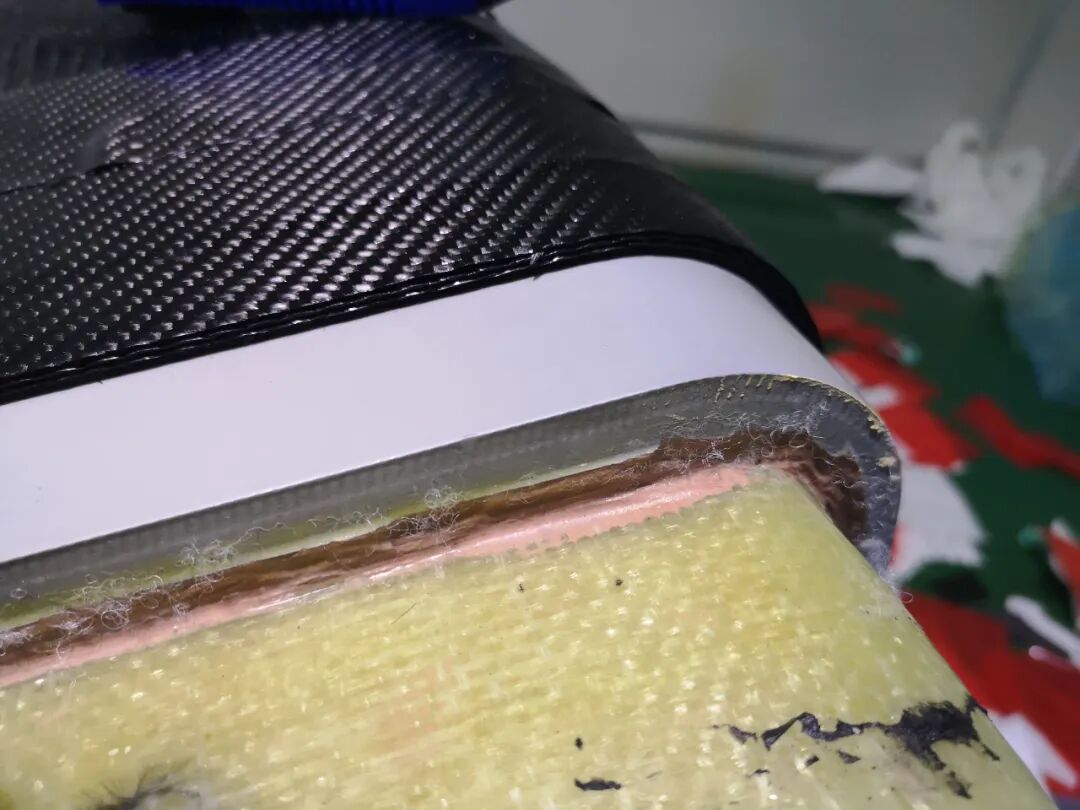
What the low initial cure changes
Low-temperature setting can make a large tool easier to build because the master sees a milder first cycle and the laminate can be stabilised before higher-temperature treatment. It also creates a wider planning window for trimming, edge work, and inspection. Those benefits depend on the support structure and layup: a flexible master, an uneven heat field, or trapped air can still move the tool even when the nominal cure temperature is low.
Carbon-fibre reinforcement is used to control stiffness and in-plane thermal movement, but the result depends on fibre direction, thickness, joints, backing structure, and the resin cure history. Treat any CTE or Tg value as a laminate and process datum to be confirmed for the actual construction. Do not convert a Tg number directly into a continuous service-temperature claim.
Qualification discipline
For aerospace or other tightly controlled work, keep the initial-cure and post-cure records with the tool’s build file. Include material lot, out-time, vacuum level, thermocouple locations, ramp and dwell history, post-cure exposure, dimensional inspection, and any thermal-cycle evidence required by the customer. Long-term production behaviour needs systematic testing in the actual environment. LTP220’s value is therefore a process route and a qualification candidate: low-temperature initial cure can simplify tool manufacture, while the final tool state must be demonstrated by the completed laminate and its approved cure plan.