
Application / Wind energy

Wind Blade Master Patterns and Moulds

The master pattern establishes the blade geometry and surface. The production mould then reproduces that surface through repeated manufacturing cycles. Each stage needs a different combination of core, working layer and reinforcement.

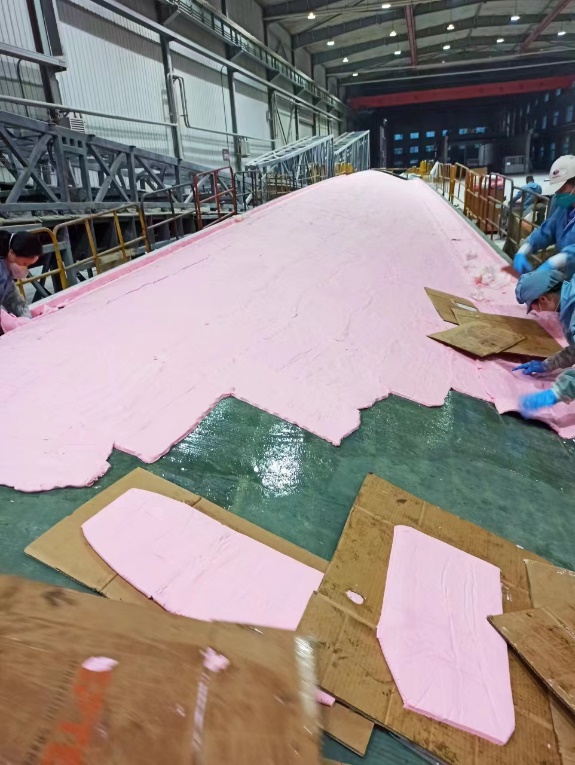
Paste working layer being built on a wind blade master pattern
EPTEK / APPLICATIONBuilding the master-pattern surface

Engineering requirements

Separate the master from the production mould

01 / MASTER PATTERN

Lightweight core and machinable surface

A shaped polyurethane foam core supports the model build. A glass-fibre skin and hand-applied or machine-applied tooling paste form the working layer, followed by CNC machining and the specified finishing system.
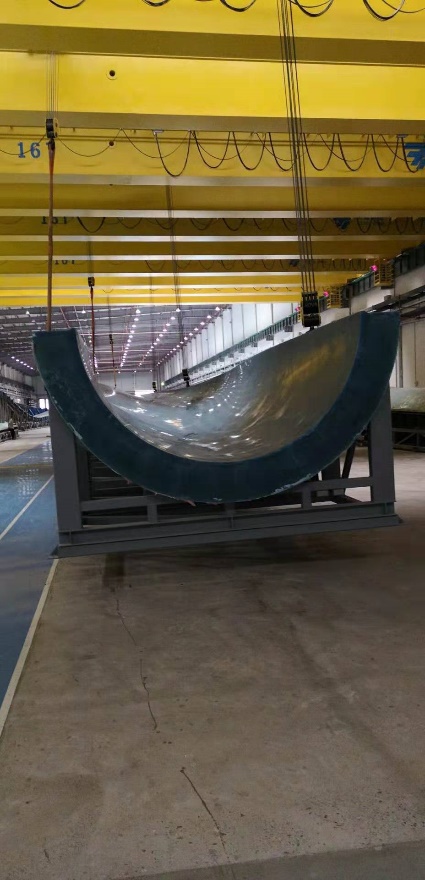
Wind blade production mould shown in EPTEK wind presentation

02 / PRODUCTION MOULD

Reinforced tooling resin system

A gelcoat and glass- or carbon-fibre laminate reproduce the master surface. Resin viscosity, infusion time, exotherm and post-cure govern the manufacture of a large, dimensionally stable mould.

Engineering requirements

Choose the material for its manufacturing role

RoleEPTEK material selectionProcess concern
Lightweight corePUFOAMBulk geometry, support, bonding and sealing
Machinable working layerEPMOLD MP50, EP65, EP72Application method, layer continuity, machining allowance and cure
Mould laminateEPMOLD 140LS / 170LV and EPLAM systemsFibre wet-out, flow length, heat build-up and specified post-cure
Surface systemTooling gelcoatsCompatibility with the working layer, laminate and release system